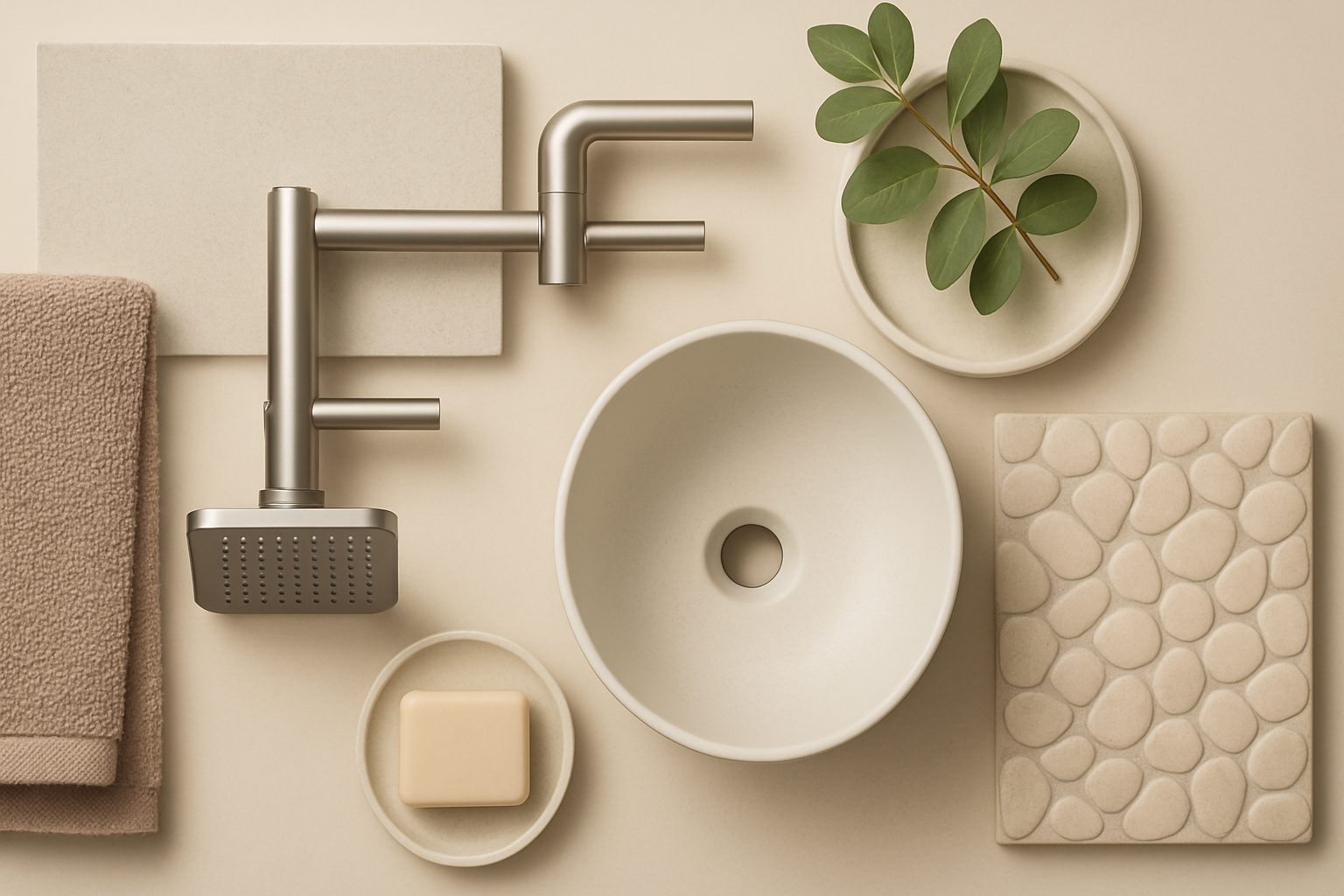
Best Wet Room Shower Heads and Thermostatic Valves UK 2025
Wet rooms have become increasingly popular in UK homes—they're accessible, stylish, and make efficient use of space. But getting the shower experience right requires the right fixtures. A generic shower head designed for a tiled shower cubicle won't perform well in a wet room where water spray coverage, flow control, and scalding protection all matter far more.
The best wet room setups combine a thermostatic valve (for safety and comfort) with an appropriately sized rainfall head, a supplementary hand shower, or both. This guide focuses on what's actually available and what works in practice.
Why Wet Room Shower Heads Are Different
A standard shower head mounted in a cubicle corner can get away with narrower coverage—the walls contain spray. In a wet room, water disperses across an entire open floor, so you need either a large rainfall head (300mm or bigger) or a carefully angled hand shower that doesn't flood the entire room on first use.
Equally, water pressure behaves differently. Wet room installations often incorporate slope and drainage into the floor itself, meaning pressure drops slightly compared to a traditional shower enclosure. You need a head that performs well at 1–2 bar, not just at mains pressure.
Flow rate also matters. Most UK showerheads are now fitted with flow restrictors complying with Building Regulations (typically 9 litres per minute maximum). That's plenty for comfort in a rainfall head, but a small hand shower needs good pressure to be effective at that flow rate.
Rainfall Shower Heads: The Popular Choice
Large square or round rainfall heads dominate wet room installations. A 300mm (12-inch) unit is the minimum size that feels genuinely open and immersive; 400mm or larger feels luxurious.
Stainless steel vs. chrome: Stainless steel is more durable in wet rooms where water sits and doesn't evaporate quickly. Chrome looks shinier but requires more regular maintenance to avoid water spotting and eventual pitting. For a wet room, stainless steel is the smarter choice.
Fixed vs. adjustable: Some rainfall heads tilt or swivel slightly. This sounds useful but rarely is—water falls roughly where the floor slope takes it anyway. A fixed head is simpler and less likely to leak at the joint.
Nozzle pattern: Modern rainfall heads use one of two approaches: numerous small holes across the entire face (gentle, even coverage) or fewer, larger holes (more percussive, stronger feel). Both work; it's personal preference. The all-holes design feels more spa-like; the larger-hole design gives more punch.
Real-world performance: A quality 350–400mm stainless steel head (around £40–80 from mainstream suppliers) outperforms cheaper alternatives. The difference isn't dramatic, but you'll notice fewer dead spots in coverage and better consistency as water pressure varies through the day.
Thermostatic Bar Valves: Non-Negotiable Safety
Any wet room with a rainfall head should have a thermostatic mixing valve, not just a manual dual-lever or diverter. Here's why: wet rooms often have people with limited mobility or balance issues. If someone slips and accidentally hits the temperature dial, scalding water is dangerous.
A thermostatic bar valve maintains a preset temperature (usually 38–40°C) regardless of pressure fluctuations. If cold water supply pressure drops—because a toilet is flushing elsewhere, for instance—the valve automatically reduces hot water flow to keep temperature constant. It won't spike dangerously hot.
Installation requirements: Thermostatic bars need hot and cold supplies of roughly equal pressure. If your boiler-fed hot supply is weak compared to mains-fed cold water, you'll struggle. Most plumbers fit a pressure-balancing union kit if there's a significant mismatch.
Adjustment and durability: Quality thermostatic bars (£80–150 installed) have a locking collar above the temperature dial to prevent accidental adjustment. Internal cartridges last roughly 10 years in hard water areas, sometimes longer in softer areas. Budget for a cartridge replacement; it costs £15–30 and takes 10 minutes to swap.
Manual override: Some thermostatic bars include a manual temperature dial below the thermostatic setting. This is useful for adjusting the safe maximum (useful if you have young children), but doesn't override the anti-scald function—the valve won't suddenly pump out 60°C water.
Hand Showers and Combination Sets
Many wet room users want both a rainfall head and a hand shower. Combined bars with both connections are available; they split the flow between the two or shut off one when the other is in use.
Hand showers are underrated in wet rooms. They're excellent for rinsing down the floor afterwards or for anyone who dislikes standing under a rainfall head (some people find them overwhelming or find the water too soft). A decent hand shower hose (1.5m stainless steel, not plastic) costs £20–40 and lasts.
Combination sets: A rainfall head plus thermostatic bar plus hand shower, all matched and installed together, typically costs £250–400 fitted. Buying piecemeal and mixing brands (or DIY-fitting) often costs less initially but may cause compatibility headaches—the bar valve height won't match the rainfall head pipe, or the hand shower hose bends badly in the bracket.
Key Features That Actually Matter
- Flow rate: Aim for a head rated at 8–9 litres per minute; anything higher will breach regulations and feel wasteful.
- Valve cartridge accessibility: Can you replace the internals without removing the entire head from the wall? Check before you buy.
- Water pressure rating: The head should work at 1–3 bar; most do, but cheap imports sometimes need 2+ bar to function properly.
- Finish: Choose stainless steel or quality chrome; avoid cheap plated finishes that degrade within a year.
- Warranty: Reputable brands (Mira, Bristan, Triton, Grohe) offer 5-year warranties. No-name brands often carry none.
Installation Considerations
Wet room plumbing ideally runs within the floor screed rather than up walls (it looks cleaner). If you're retrofitting into an existing room, running pipework externally becomes harder. This affects not just cost, but the final aesthetic and where you can position your shower head.
Access for future cartridge replacement should be built in during the original fit. A poorly concealed thermostatic valve in a tiled alcove becomes a nightmare if it fails in five years.
Summary
The best wet room showers combine a large rainfall head (350mm or larger, stainless steel) with a thermostatic bar valve for safety and comfort. Add a hand shower for versatility. Expect to spend £250–500 fitted for a complete, quality setup. Cheap components fail fast in a wet room environment; the small premium for known brands and proper installation pays back over years of reliable use.
More options
- Wet Room Former & Shower Tray Kits (Amazon UK)
- Wet Room Tanking & Waterproofing Kits (Amazon UK)
- Linear Channel Drains for Wet Rooms (Amazon UK)
- Anti-Slip Wet Room Floor Tiles (Amazon UK)
- Thermostatic Shower Valves & Rainfall Heads (Amazon UK)